Advanced Infrastructure Monitoring Solutions with Next-Gen Fiber Optic Sensing
Hifi’s HDSTM asset monitoring technology and services include turnkey sensing systems, AI & ML data analytics, 24/7 monitoring support, engineering, installation, validation & reporting.
Hifi HDS Helps Clients Operate Smarter, Safer Infrastructure in the Following Industries
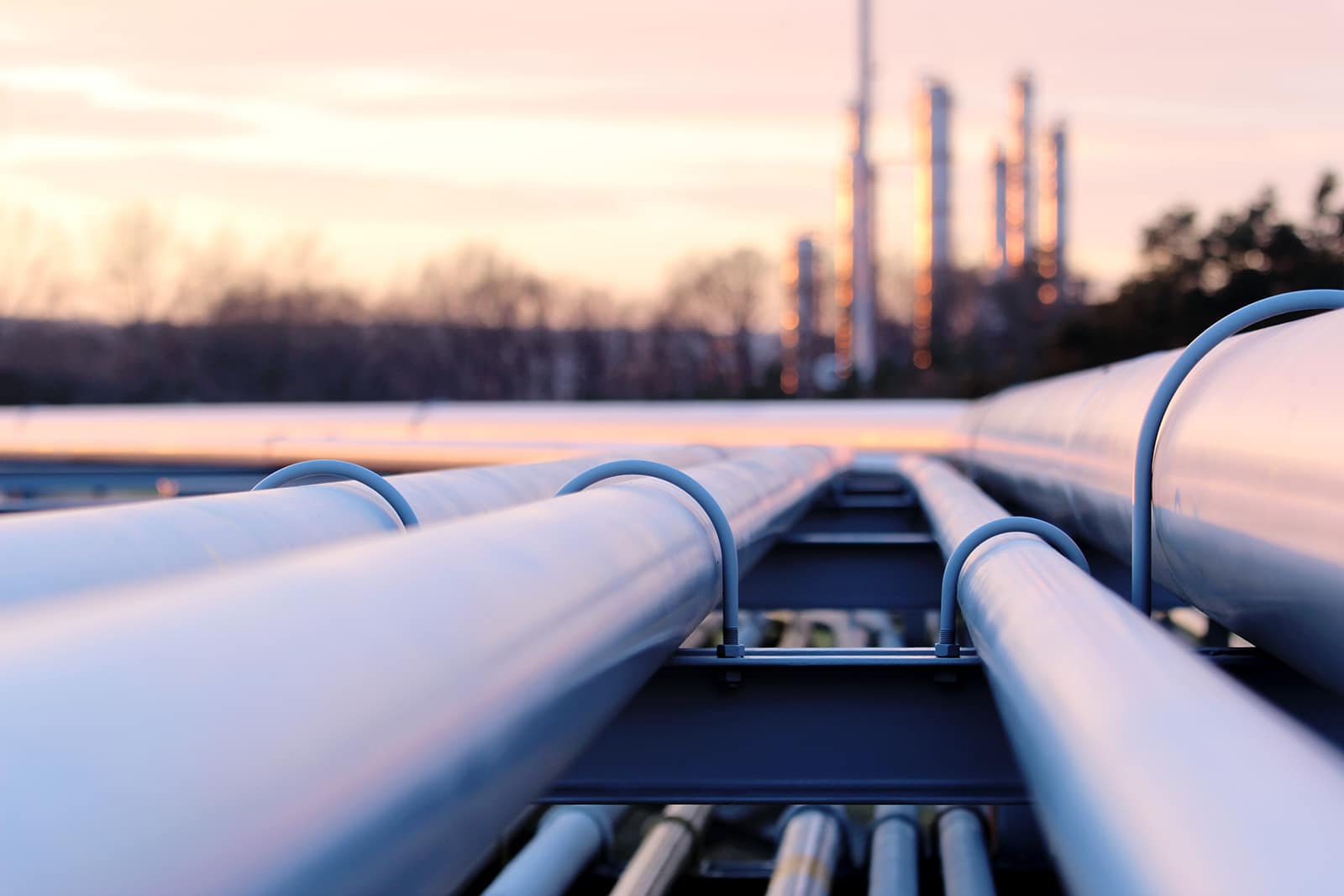
Oil & Gas
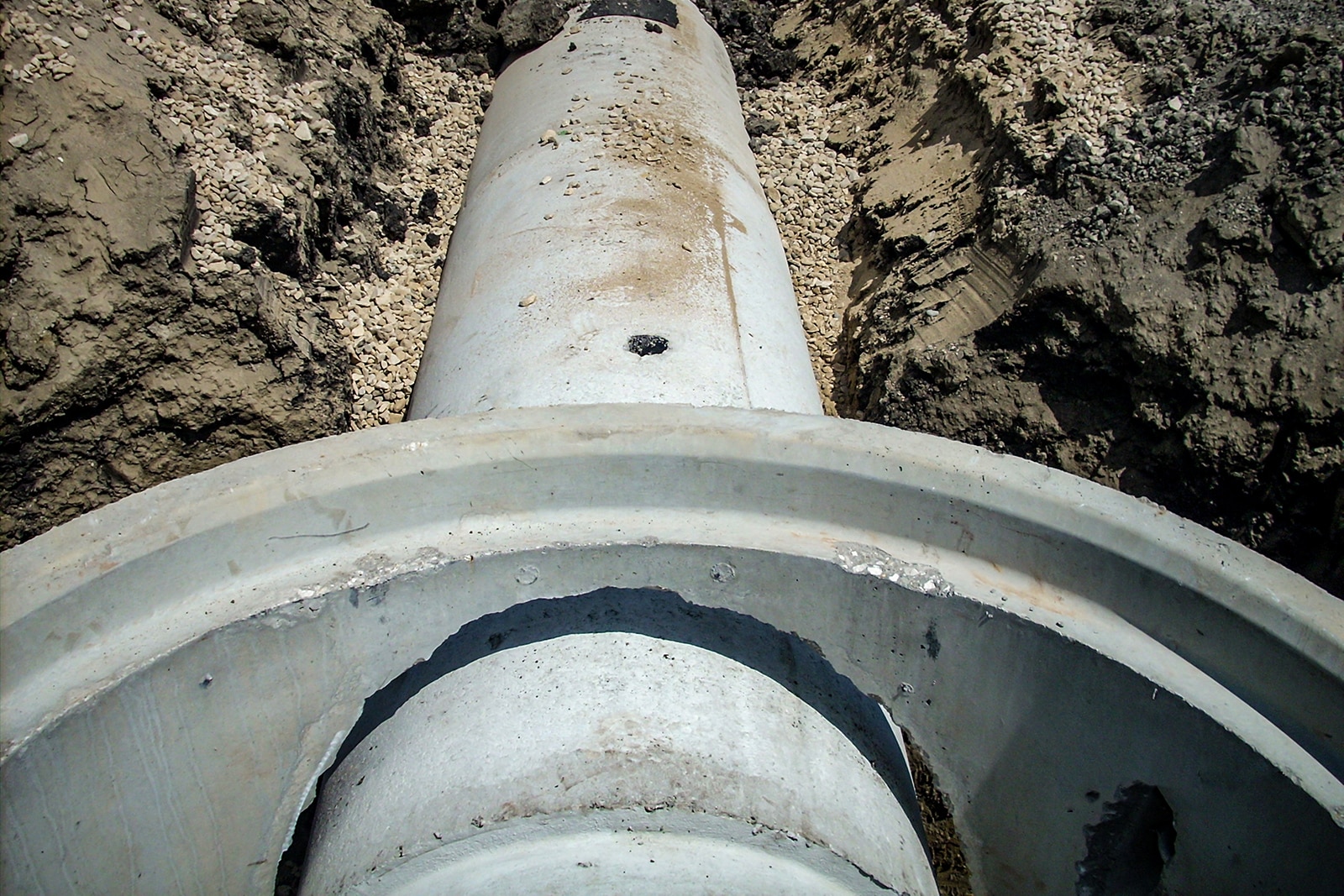
Water Utilities
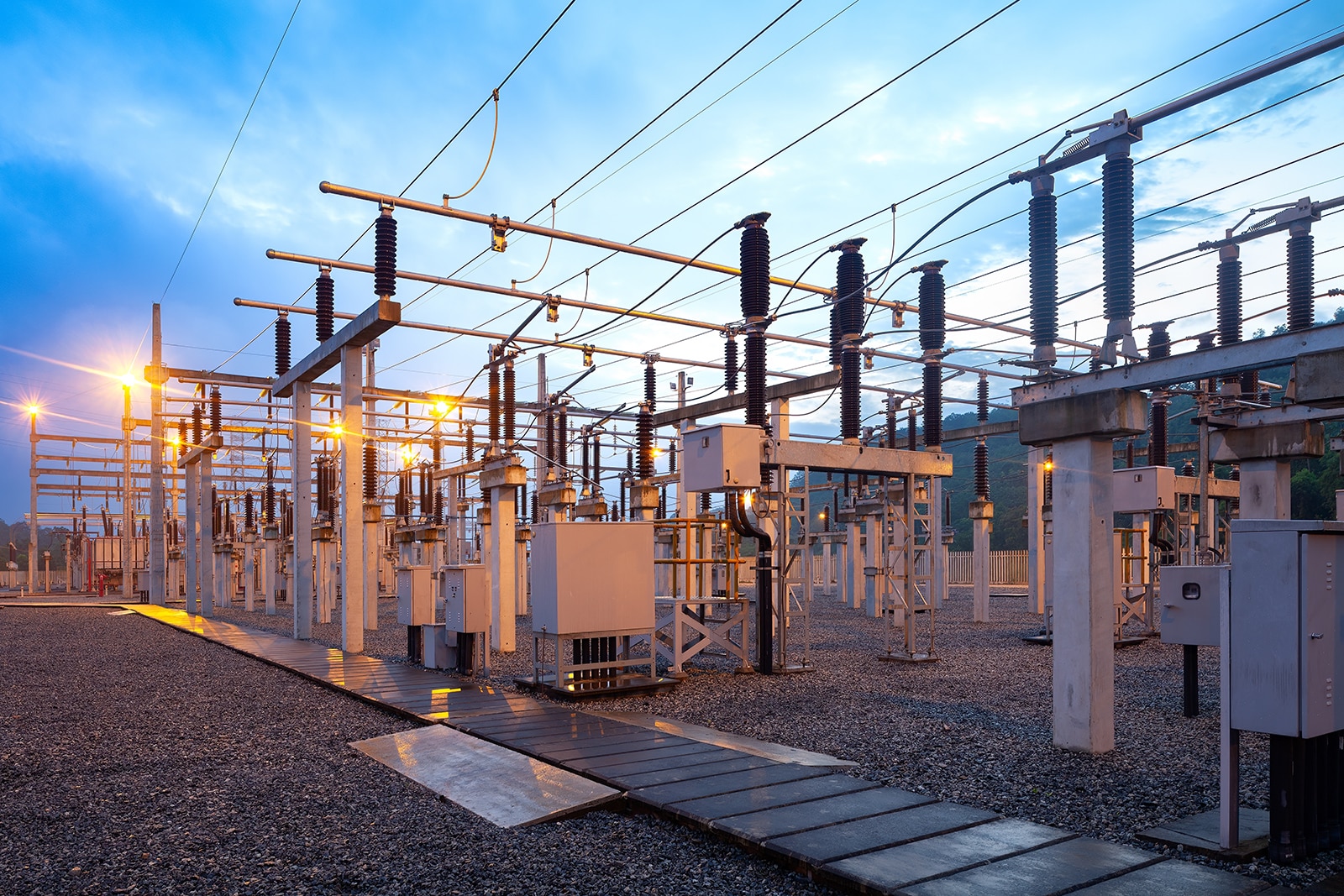
Electric Power
CO2
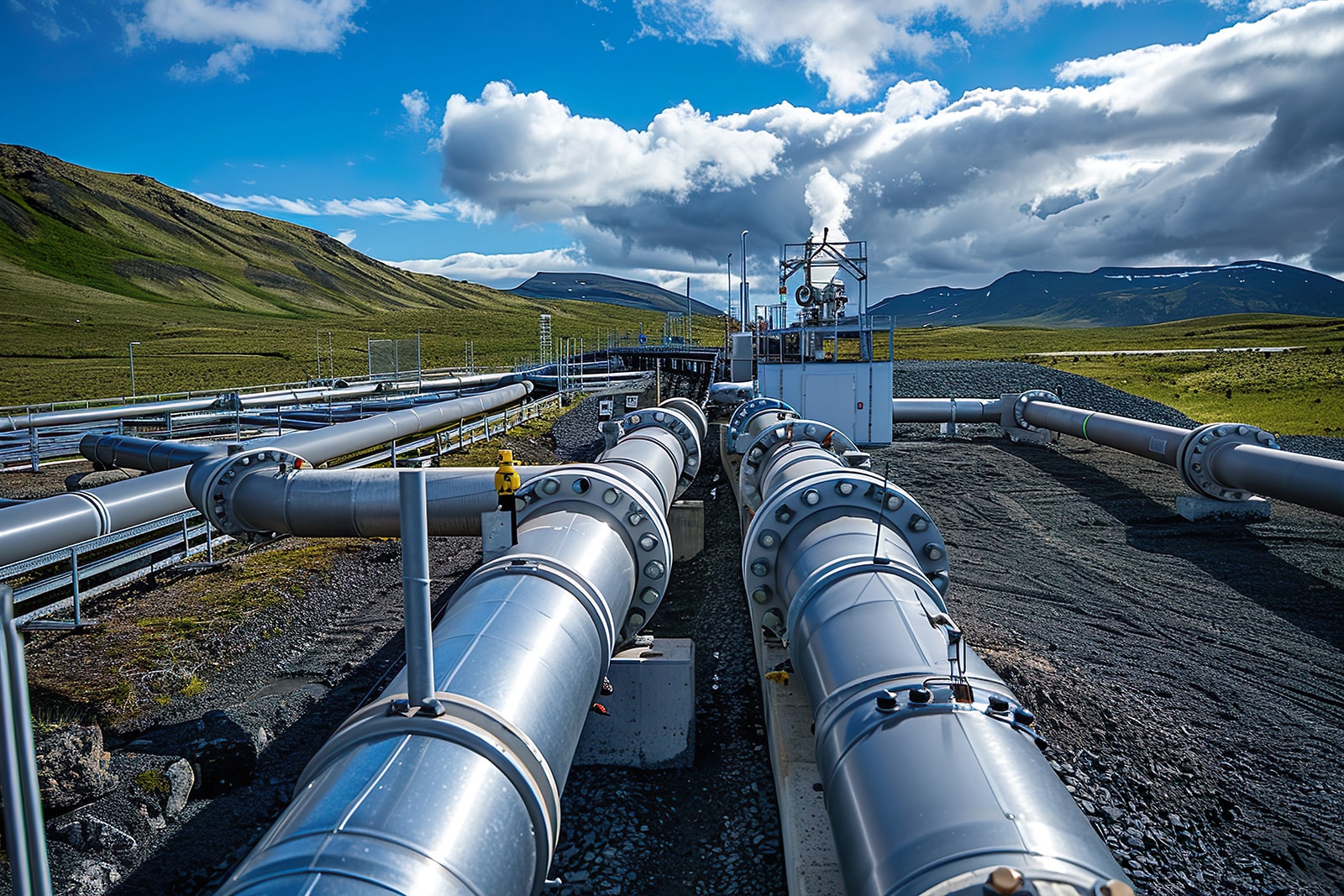
H2

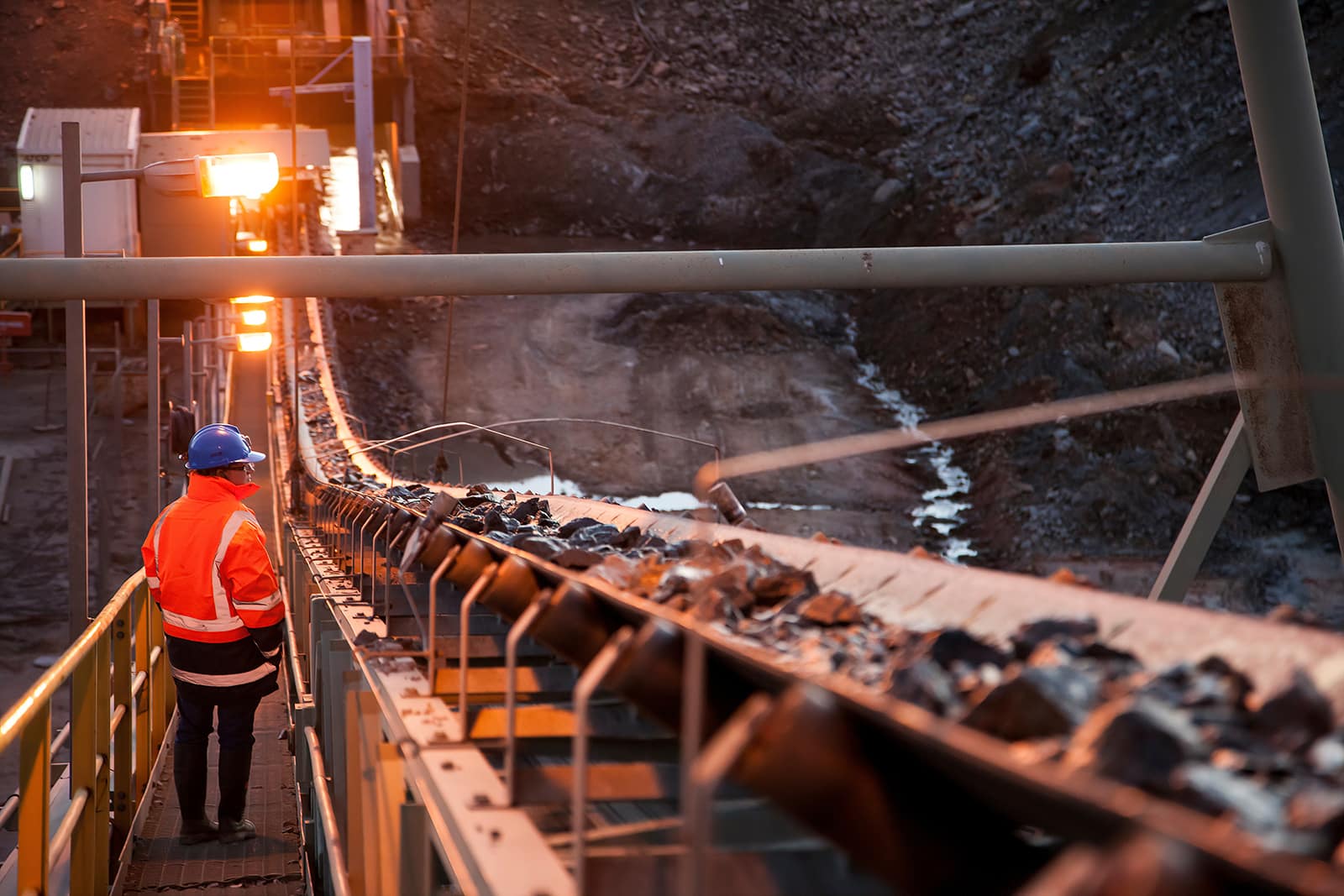
Mining
WHAT IS HDS?
High-fidelity Distributed Sensing (HDS) is the only fiber optic platform in the world that has been 3rd party validated* for detecting pinhole leaks in liquids and gas pipelines, with zero false positives.
HIFI IN THE NEWS
Trans Mountain Urban Pipeline Construction case
March 31, 2026
Hifi Releases HDS™ Advanced Pig Monitoring Service

November 24, 2025
Hifi Named FOSA Innovation Award Recipient
October 17, 2025
Hifi HDS Wins Gulf Energy Award for Integrity
FAQs
High-Fidelity Distributed Sensing (HDS™️) represents the cutting edge of fiber optic sensing technology. HDS refers to a monitoring platform that leverages a custom-engineered fiber optic cable designed specifically for sensing acoustics, strain, vibration, and temperature, combined with advanced machine learning algorithms to provide a real-time, fully distributed monitoring solution.
HDS differs from traditional DFOS systems in two main respects:
- Fiber Architecture & Data Quality: Traditional DFOS systems – often referred to as DAS, DTS or DSS – use standard telecommunications fiber as the sensor element. While telecom fiber has been optimized over decades to move vast amounts of data with minimal loss, this latter characteristic makes telecom fiber very poorly suited for sensing applications where the optical back reflections (aka loss) are in fact what carries information about events occurring anywhere downstream along the fiber length. In significant contrast, HDS uses an optimized fiber designed specifically for sensing, with sensing performance (aka fidelity or signal-to-noise ratio) that is orders of magnitude superior to telecom-fiber based sensing systems. The result is dramatically superior data quality captured and communicated by the fiber, supporting algorithms to accurately characterize and differentiate even low-energy event signatures such as pinhole leaks along a low-pressure pipeline.
- Turnkey Platform with 24/7 Monitoring Support: Traditional DFOS providers often supply the equipment and software for their DAS or DTS systems with little consideration for effective operational integration or long-term performance monitoring – effectively leaving Operators to manage these complex platforms on their own. Hifi’s Platform-as-a-Service (PaaS) model is the product of literally millions of meters of commercial deployments; via the PaaS model, HDS is delivered as a comprehensive asset monitoring solution to ensure seamless integration, expert management, and continuous optimization of its next-generation capabilities through the full asset life cycle.
When certain energy forms (acoustic, thermal, strain & vibration) interfere with precisely controlled light pulses moving along an optical fiber, they impact the timing and relative phase of the back reflection of these pulses. Optical hardware is capable of interpreting the changes in the received pulses and characterizing the nature and magnitude of the events at the source. Advanced Machine Learning (ML) algorithms are trained to characterize specific features, ultimately differentiating normal activity from abnormal events that may represent concerns or threats to the asset. In this way, fiber optic cables are effectively transformed into fully distributed intelligent sensors capable of monitoring every single centimeter of the asset, in real time, for a broad range of events.
Traditional DFOS solutions in the pipeline sector have focused mainly on leak detection, though their limited fidelity has contributed to well-known challenges including high false alarm rates and missed true positive events, particularly for low-energy signatures. HDS was designed specifically to overcome these issues, providing confident pinhole-level leak detection even in low pressure environments. Perhaps more importantly, the superior sensitivity and integrated monitoring capabilities of HDS enable its commercial use in a broad range of integrity monitoring and operational support applications, including:
- Leak detection, from pinholes to ruptures, that is agnostic to the nature of the fluid medium
- Ground disturbance, security & intrusion – including real-time notification for vehicle, personnel and equipment activity near the asset
- Geotechnical hazards including ground movement, seismic phenomena, landslides, rockfalls, etc.
- Unique and cumulative strain analysis for one-time or ongoing activities impacting the asset location or condition
- Pig tracking, insulation mapping, monitoring of real-time remediation activities and other operational support functions
DAS, DTS and DSS refer to distributed acoustic, temperature, and strain sensing respectively. DAS, DTS, and DSS are generally referred to as first-generation or legacy sensing technologies because they rely on low-fidelity telecommunications fiber as the sensing element. They are usually non-integrated, meaning they provide data for a single parameter like acoustics, temperature or strain (hence their names). In optical terms, DAS generally leverages Rayleigh backscattered light, while DTS analyzes Raman backscatter and DSS focuses on Brillouin scattering.
Next generation DFOS systems like Hifi HDS are extremely accurate and reliable for pipeline integrity monitoring, notably for leak detection even at low levels. This is a very common question due to the well-known reliability and false alarm issues encountered with older, ‘first-generation’ DFOS systems like DAS & DTS that use standard telecom fiber as the sensing element. ‘Next Generation’ DFOS refers to systems that employ a custom-engineered fiber designed specifically for sensing, not data transfer. HDS leverages a purpose-built sensing fiber to dramatically improve data quality for captured events, and couples this with an ‘ensemble suite’ of tailored machine learning algorithms to enable signature corroboration via multiple orthogonal elements. The result is high selectivity (accuracy) for specific events along with virtual elimination of false positives and nuisance alarms.
Yes. The high fidelity of the HDS fiber means that it can be positioned NEAR the pipeline and still act as an effective sensor to deliver the specified monitoring performance. This allows for retrofitting of existing pipelines with HDS technology using, for example, smart vibratory plow technology capable of accurately and consistently positioning conduit and fiber within 1 meter of the buried asset, generally targeting the 3 o’clock position. In fact, Hifi has completed over 200 km of retrofit pipeline deployments with this approach.
Fiber optic sensing can detect a wide range of events on and around pipelines because it continuously “listens” for changes associated with movement (vibration and strain), acoustic signatures, and thermal excursions along the asset. In practice, that means it can identify both integrity-related incidents and activity happening near the right-of-way, including:
- Leaks of many sizes — from very small pinhole leaks to major ruptures — across different products (liquids or gas), including lower-pressure conditions.
Third-party interference and security events — such as vehicles, crews, excavation activity, and equipment operating near the pipeline — with real-time alerts when activity approaches sensitive areas.
Geohazard and ground movement signals — including shifting soil, landslide risk, rockfalls, seismic activity, and other terrain-driven impacts that can threaten the line.
Strain and structural loading changes — capturing both sudden events and gradual, cumulative stress that may indicate developing risk or damage.
Operational and maintenance support events — including pig tracking, insulation mapping, monitoring remediation work as it happens, and other activities where operators benefit from visibility into what’s occurring along the route.
In practical terms HDS can monitor virtually any type of critical linear infrastructure. In addition to our core market in energy pipelines – where HDS is deployed or pending deployment on over 3.5 million meters globally – Hifi has successfully deployed HDS to support integrity monitoring for mining conveyors, work site perimeter security, municipal water mains, trains and rail infrastructure, among others. A key consideration when deciding whether HDS makes sense for a specific application is the scope and scale of the desired monitoring system. Specifically, HDS economics scale very effectively over longer deployments where material, hardware and software requirements can be optimized relative to cost. For example, a single HDS 3.0 system can support over 100 km of pipeline monitoring, making it highly cost-effective on a per-meter basis. In contrast, HDS economics for limited-scope projects (i.e., balance-of-plant piping or short laterals where monitored distance is less than ~ 1 km) may be less attractive than for point-based monitoring instrumentation.
The distributed nature of fiber optic sensing enables the full length of the cable to act as a continuous sensor, capturing high-resolution data for acoustic, thermal and kinetic signatures along every single centimeter. This means that when fiber is deployed continuously on, in, or near the asset, the system is positioned to provide 100% monitoring coverage across both space and time:
- Space: as noted, data are gathered along the full fiber length. To allow for physical locating of events, the HDS fiber is channelized via Fiber Bragg Gratings for spatial resolution of about 10 meters (standard pipeline system)
- Time: HDS is always on and always sensing, capturing data for the noted parameters 24/7/365. Even if communications are interrupted, the HDS system will continue to capture event-related data and store this locally for subsequent analysis.
The AI/ML component of the HDS monitoring platform is vital to its exceptional performance. Tailored Machine Learning algorithms function as the ‘brain’ of the platform, effectively comparing event-related, real-time data from the fiber to a vast catalogue of known integrity events to enable precise and confident identification of the ‘new’ event. Thanks to the very high data quality provided by the HDS fiber and Hifi’s expansive event catalogue, these customized algorithms achieve high selectivity, meaning they are able to effectively differentiate integrity events even when their signatures may appear quite similar.
The integrated nature of HDS measurement further enhances accuracy of event detection by enabling comparison of independent (or orthogonal) energy signatures for the same event. For example, Hifi employs an ‘ensemble suite’ of algorithms to independently characterize leaks via their acoustic, strain and thermal signatures. This means that one algorithm will characterize the leak event by its sound (the distinctive ‘hiss’ of contents escaping through an orifice along with the frequency profile of these acoustics), while another characterizes the leak by the strain it generates on the fiber and pipe (with the force of the leak moving the pipe away from the escaping fluid, followed by ongoing vibration), with yet another algorithm analyzing the thermal changes associated with the leak (i.e., a Joule Thomson cooling effect for expansion of natural gas or supercritical CO2, temperature increase of the local environment in the case of escaping heated product, etc.). Outputs from all algorithms are analyzed simultaneously to corroborate the specific nature of the event, thereby dramatically increasing our confidence in the system’s conclusions. In simple terms, if it walks like a duck, quacks like a duck and flies like a duck – there’s a high probability that it is in fact a duck!
HDS first saw strong commercial traction in the energy pipeline sector, where the extreme costs and consequences associated with oil and gas pipeline integrity events readily justified the adoption of this cutting-edge monitoring technology. More recently, dramatic strides in system capabilities (notably advancements in artificial intelligence and machine learning software and processes) coupled with significant field experience to improve deployment optionality and efficiency have driven down HDS costs and opened the door to an ever-widening range of commercial end-use applications. HDS is now seeing commercial deployment or qualification in the mining industry (for monitoring of slurry lines and conveyors), municipal water (for monitoring of aging water mains), alternative energy (H2 and CO2 pipelines) and even utility applications (including monitoring of fault precursors in medium and high voltage power lines). More opportunities will undoubtedly arise as other industries become more familiar with the HDS technology and its remarkable capabilities.
Distributed sensing and point sensing each have their pros and cons. In scenarios where monitoring scope is limited (i.e., balance of plant environments or small-scale infrastructure), point sensors often represent the preferred balance of cost and performance. However, for long-run, critical linear infrastructure where the risk profile associated with limited monitoring coverage is significant, distributed sensing provides substantial benefits relative to point sensors:
- Coverage: distributed sensing dramatically improves asset coverage relative to point sensor-based monitoring. In contrast to in-line or aerial inspections which provide only a brief window of insight to asset status, distributed sensing provides real-time, 24/7/365 condition assessment via high-quality data for a broad range of integrity events.
- Accuracy: monitoring systems based on point-sensor inputs (like computational pipeline modeling or CPM which typically relies on data from flow meters or pressure transducers positioned miles apart) are fundamentally limited by the sensitivity of the point sensor itself. For flow meters this often translates to leak detection thresholds that are 2 to 3% of flow or more – making these systems incapable of detecting even moderate leaks, let alone pinhole-level events. In sharp contrast, the HDS system is designed to ensure consistent data quality along the full sensing path, meaning event detection capabilities are nearly identical for the first monitored kilometer and the last. The result is exceptional fidelity – or sensitivity – for low energy events like pinhole leaks for every single centimeter of the asset.
- Cost vs. Performance: point sensors are designed to provide reliable data for a single measurement location, with the accuracy of their outputs impacted by a wide range of variables as distance from the instrument increases. The concept is intuitive – how confident would a facilities engineer be in the data from a pressure transducer that’s 10 meters away from the valve they’re looking at? What if the instrument is on the other side of the plant? The principles of fiber optic measurement allow for continuous measurement along the entire fiber length, with every centimeter actively gathering data in real time to approximate an array of thousands of point sensors. The costs to achieve comparable asset monitoring coverage using discrete sensors would be staggering, whereas high-fidelity fiber optic sensing costs scale very effectively over monitoring distance due to the impressive range of modern systems. Hifi HDS 3.0 serves as a powerful example, with a single 3.0 system capable of precisely monitoring 100 kilometers of linear infrastructure. The result is a technology that provides unparalleled monitoring performance at a compelling per-meter price point, with total HDS costs (100 km monitoring basis, 10 yr NPV) generally well below 1% of pipeline TIC.